Problems and Possible Solutions:
1.Population:
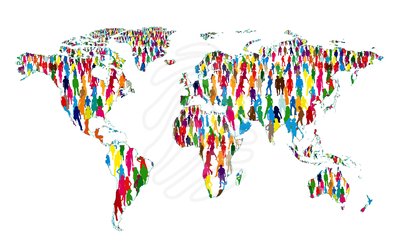 The worlds
population has tripled in the last 60 years placing stress on every aspect of
the environment. More land is developed every day to accommodate the urban
spread.
The worlds
population has tripled in the last 60 years placing stress on every aspect of
the environment. More land is developed every day to accommodate the urban
spread.
In 1950 the
population stood at 2,555,982,611 compared to 2012 which it now stands at over
7,000,000,000. The actual maths is that the worlds population has increased by
almost 3 times. That is staggering when you think about it. That figure is
increasing even as we speak!
Possible Solution:
Population
Control. Right now, the Earth cannot sustain the existing human population
indefinitely, and this is not including the current population growth. As a
result, the world's resources are quickly dwindling without replacements. The
only logical solution to this problem is population control. Since the world cannot
indefinitely support the entire human population, then the world's population
needs to decrease to a level so that the planet can sustain both humanity and
wildlife indefinitely.
2. Climate Change:
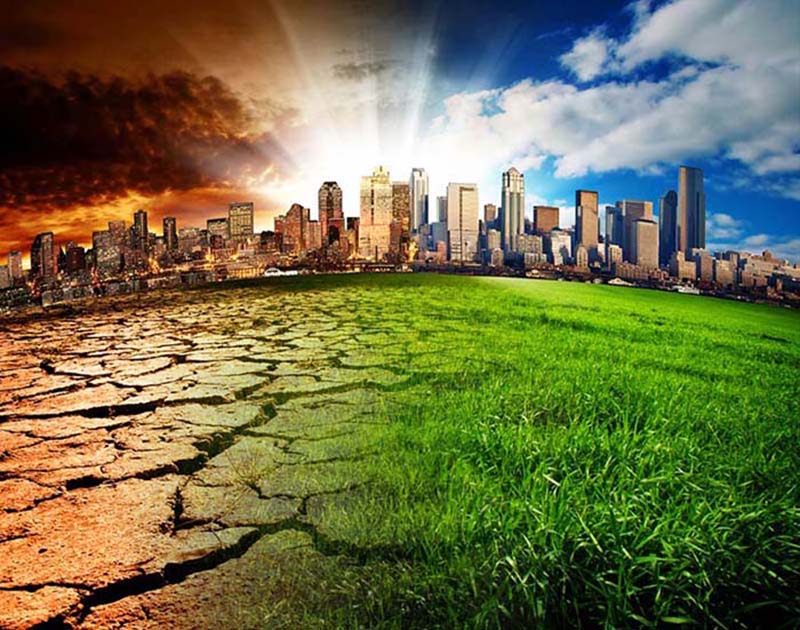 Recently an
overwhelming majority of climate scientists, believe that human activities are
currently affecting the climate and that the tipping point has already been
passed. In other words, it is too late to undo the damage that climate change
has done to the environment.
Recently an
overwhelming majority of climate scientists, believe that human activities are
currently affecting the climate and that the tipping point has already been
passed. In other words, it is too late to undo the damage that climate change
has done to the environment.
Possible Solution:
At this stage
the best we can do is regulate the further impact upon the environment by
developing more environmentally friendly methods of energy production by
reducing the mining and burning of fossil fuels.
3.Pollution:
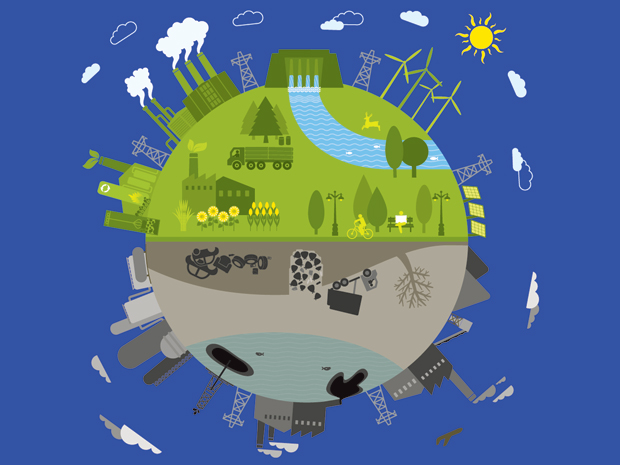 Pollution
of air, water and soil by chemical compounds that take many years to breakdown.
Most of these chemicals are the bi-products of our modern lifestyle and are
created by industry and motor vehicle exhaust.
Pollution
of air, water and soil by chemical compounds that take many years to breakdown.
Most of these chemicals are the bi-products of our modern lifestyle and are
created by industry and motor vehicle exhaust.
Pollution
isn’t just limited to the air. Soil is another place where pollution is
starting to take hold. Common toxic substances include heavy metals, nitrates
and plastic. A lot of the plastics that are discarded by humans end up the
ocean. These plastics tend to go unseen by humans as the pollution is usually
blown out to sea by prevailing winds.
Possible Solution:
-Recycle
everything! Instead of having our trash sent to landfills, everything that
people consume and eventually throw out must be recycled. Therefore, we need
recycling plants for batteries, electronics, organic (food and garden) wastes,
medals, etc. in addition to recycling paper, plastic, glass, and aluminum. Even
existing landfills need to be recycled. You can find out about different ways
to recycle landfills from this article.
-Renewable
Resources. Humanity is currently consuming more resources than the planet can
renew, and this does not include non-renewable resources such as oil.
Therefore, business will eventually have to convert to strictly self
sustainable and renewable resources in the near future.


